
eine Nachricht hinterlassen
Wenn Sie an unseren Produkten interessiert sind und mehr Details erfahren möchten, hinterlassen Sie bitte hier eine Nachricht. Wir werden Ihnen so schnell wie möglich antworten.




Mein bester Kauf diesen Winter! Die Farbe und die Strickqualität sind einfach traumhaft und es ist so bequem! Ich habe es auf meiner Reise von New York nach Miami getragen, ohne es jemals auszuziehen. Total süß!!
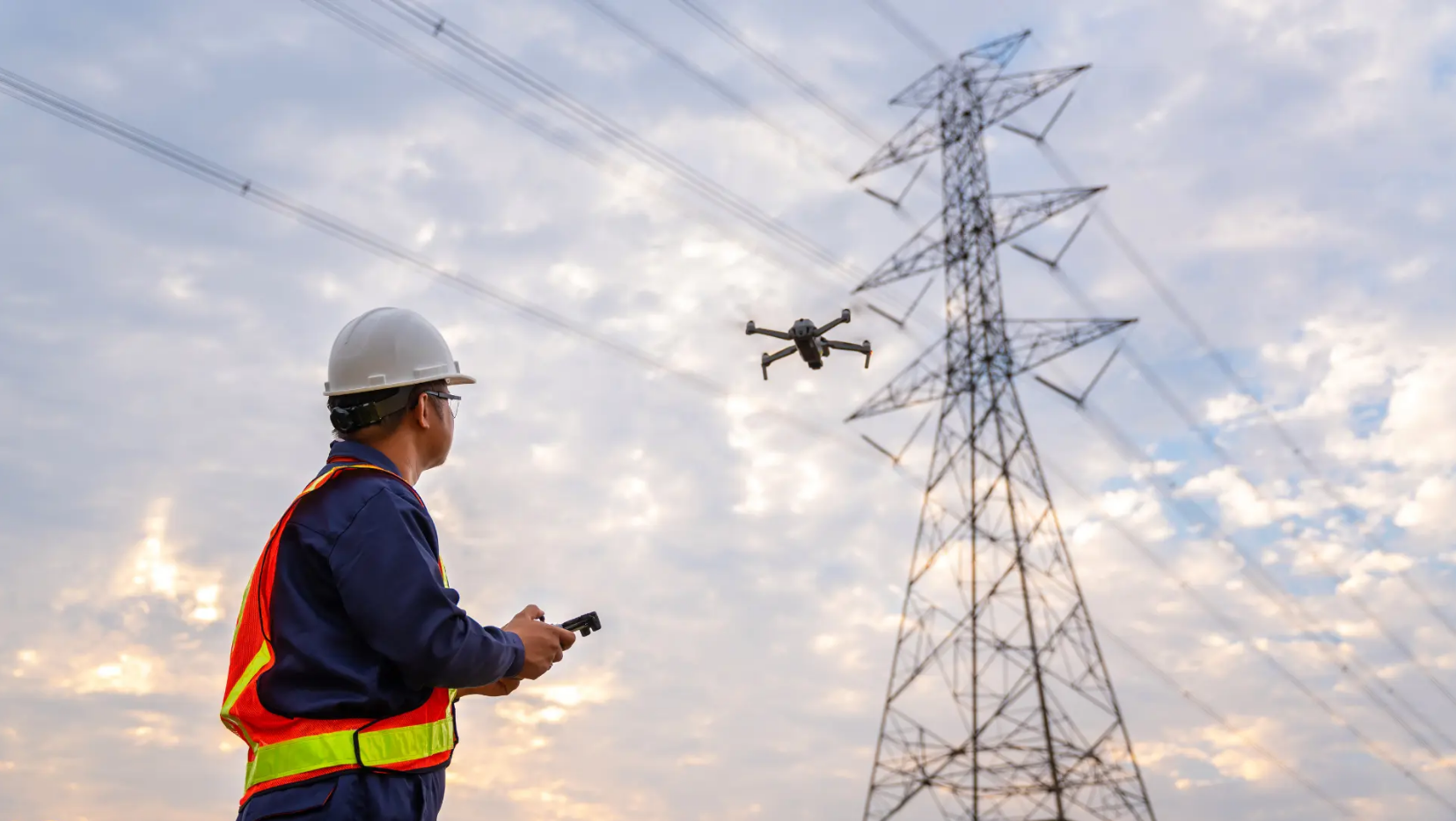
Mit dem stetigen Ausbau der Stromnetzinfrastruktur wächst die Anzahl von Umspannwerken, Verteilerräumen, Übertragungsleitungen und sonstigen elektrischen Anlagen rasant. Traditionelle manuelle Inspektionsmethoden stoßen dabei zunehmend an ihre Grenzen. Wartungspersonal muss in komplexen Umgebungen Anlagen identifizieren, Betriebszustände erfassen, Störungen beheben und Wartungsarbeiten überprüfen. Dieser Prozess ist arbeitsintensiv und fehleranfällig – etwa durch übersehene Inspektionen, fehlerhafte Aufzeichnungen oder unvollständige Datenerfassung. Im Zuge des Trends zu intelligenten Stromnetzen und digitalisierten Betriebsabläufen entwickelt sich die RFID-Technologie zu einem Schlüsselelement für die Modernisierung von Inspektionssystemen für elektrische Anlagen.
RFID (Radio Frequency Identification) nutzt drahtlose Kommunikation zur automatischen Objektidentifizierung und zur Erfassung zugehöriger Daten. Im Vergleich zu herkömmlichen papierbasierten Aufzeichnungen oder Barcode-Scanverfahren bietet RFID Vorteile wie kontaktloses Auslesen, schnelle Identifizierung, hohe Anpassungsfähigkeit an verschiedene Umgebungen und die Möglichkeit, mehrere Tags gleichzeitig zu lesen. Diese Eigenschaften machen RFID ideal für die anspruchsvollen Inspektionsumgebungen der Energiewirtschaft.
Bei herkömmlichen Inspektionsverfahren stützen sich Mitarbeiter häufig auf Papierformulare oder manuelle Dateneingabe, um den Zustand von Anlagen zu erfassen. Beispielsweise müssen bei Umspannwerksinspektionen die Seriennummern der Anlagen einzeln geprüft und Parameter wie Temperatur, Stromstärke und Spannung manuell erfasst werden. Bei einer großen Anzahl von Geräten wird der Inspektionsprozess zeitaufwändig und anfällig für menschliche Fehler aufgrund von Ermüdung. Hinzu kommt, dass viele Freiluft-Übertragungsanlagen weitläufig verteilt sind, was es den Verantwortlichen erschwert, die ordnungsgemäße Durchführung der Inspektionen zu überprüfen.
Die Einführung der RFID-Technologie verändert diese Situation grundlegend. Elektronische RFID-Tags lassen sich an verschiedenen Anlagen der Energieversorgung anbringen, darunter Transformatoren, Schaltanlagen, Kabelverbindungen, Verteilerkästen, Leistungsschalter und Sendemasten. Jeder Tag enthält einen eindeutigen Identifikationscode, der mit Anlageninformationen wie Modellspezifikationen, Installationsdatum, Wartungshistorie, Inspektionsberichten und Lebenszyklusdaten verknüpft ist.
Wenn Wartungspersonal bei Inspektionen RFID-Handgeräte verwendet, entfällt die manuelle Eingabe von Geräteinformationen. Durch einfaches Annähern an das Gerät liest das System den RFID-Tag automatisch und ruft dessen vollständige Historie ab. Das System zeigt sofort Inspektionsanforderungen und Wartungsaufgaben für das jeweilige Gerät an. Inspektionsergebnisse können zudem direkt in das Managementsystem hochgeladen werden, was einen standardisierten und digitalisierten Inspektionsablauf ermöglicht.
Dieser Ansatz verbessert die Inspektionseffizienz deutlich. Aufgaben, die zuvor mehrere Stunden in Anspruch nahmen, lassen sich nun oft in der Hälfte der Zeit erledigen. Gleichzeitig reduziert die automatische Geräteidentifizierung manuelle Erfassungsfehler und erhöht die Datengenauigkeit erheblich.
Ein weiterer wesentlicher Vorteil von RFID bei der Inspektion von Energieanlagen ist die Rückverfolgbarkeit der Prozesse. Im herkömmlichen Inspektionsmanagement können sich Vorgesetzte in der Regel nur auf schriftliche Berichte stützen, um festzustellen, ob Aufgaben erledigt wurden. RFID-Systeme hingegen können Inspektionszeit, Bedieneridentität, Gerätezugriffsprotokolle und Betriebsabläufe automatisch erfassen und so einen vollständigen digitalen Inspektionsverlauf erstellen.
Beispielsweise kann das System bei nächtlichen Inspektionen in Umspannwerken überprüfen, ob die Mitarbeiter die Inspektionen gemäß den vorgegebenen Routen durchgeführt haben. Wurde ein kritisches Gerät nicht gescannt, kann das System umgehend Warnmeldungen ausgeben, um versäumte Inspektionen zu verhindern. Diese transparente Managementmethode verbessert die betriebliche Standardisierung und Verantwortlichkeit deutlich.
RFID spielt auch eine wichtige Rolle bei der Verbesserung der Arbeitssicherheit, insbesondere in Hochspannungs- und Gefahrenbereichen. Die Energiewirtschaft birgt naturgemäß hohe Risiken, vor allem wenn Mitarbeiter in der Nähe von Hochspannungsanlagen, unterirdischen Kabeltunneln oder bei extremen Wetterbedingungen arbeiten. RFID-Technologie kann die Personenauthentifizierung, die Zutrittskontrolle und die Warnung vor Gefahrenzonen unterstützen.
Beispielsweise müssen Mitarbeiter vor dem Betreten von Hochspannungsbereichen ihre Identität mithilfe von RFID-fähigen Mitarbeiterkarten nachweisen. Das System kann automatisch feststellen, ob die Person über die erforderlichen Qualifikationen, Sicherheitsschulungen und Zugangsberechtigungen verfügt. Bei ungewöhnlichen Zugriffsversuchen kann das System Alarme auslösen, um unbefugtes Betreten gefährlicher Bereiche zu verhindern.
Darüber hinaus lässt sich RFID in intelligente Helme und Ortungssysteme integrieren, um die Echtzeit-Ortung von Personen zu ermöglichen. Verweilt ein Mitarbeiter zu lange in einem Gefahrenbereich oder gerät er in einen Notfall, kann die Leitstelle den Standort des Mitarbeiters schnell ermitteln und Notfallmaßnahmen einleiten. Dies verbessert das Personensicherheitsmanagement im Energiebereich erheblich.
Über die täglichen Inspektionen hinaus bietet RFID auch einen erheblichen Mehrwert bei der Instandhaltung von Anlagen und im Anlagenmanagement. Energieanlagen haben oft lange Betriebszyklen und erfordern häufige Wartung mit großen Mengen an Ersatzteilen und umfangreichen Reparaturdokumentationen. Viele Unternehmen kämpfen mit fragmentierten Anlagenarchiven und unvollständiger Wartungsdokumentation, was die Fehleranalyse erschwert.
Mithilfe von RFID-Systemen können Unternehmen umfassende Lebenszyklusmanagement-Plattformen für elektrische Anlagen etablieren. Von der Beschaffung und Installation über Betrieb, Wartung und Reparatur bis hin zur Außerbetriebnahme lassen sich alle Informationen in Echtzeit erfassen und speichern. Durch Scannen eines RFID-Tags erhalten Wartungsmitarbeiter sofortigen Zugriff auf historische Fehlerberichte, Austauschhistorien von Komponenten und Wartungspläne und können so effizientere Reparaturstrategien entwickeln.
Wenn ein Transformator beispielsweise wiederholt ungewöhnlichen Temperaturschwankungen ausgesetzt ist,Das System kann historische Wartungsdaten analysieren, um wiederkehrende Probleme zu erkennen und präventive Wartungsarbeiten durchzuführen, bevor es zu größeren Ausfällen kommt. Dieses vorausschauende Wartungsmodell entwickelt sich zu einem wichtigen Entwicklungszweig für moderne intelligente Stromnetze.
In großen Energieunternehmen optimiert RFID auch die Ersatzteillagerverwaltung. Elektrische Instandhaltungsarbeiten erfordern eine Vielzahl spezialisierter Komponenten, und herkömmliche Lagersysteme stoßen häufig auf Probleme wie ungenaue Bestandsdaten, unstrukturierte Materialhandhabung und ineffiziente Inventur. RFID-basierte Lagerverwaltungssysteme können Warenbewegungen automatisch verfolgen und Bestandsdaten in Echtzeit aktualisieren, wodurch die Lagereffizienz deutlich gesteigert wird.
Mit der Weiterentwicklung von Technologien wie dem Internet der Dinge (IoT), Big Data und künstlicher Intelligenz wird RFID zunehmend in andere intelligente Systeme integriert. Beispielsweise ermöglicht RFID in Kombination mit Drohneninspektionstechnologie das ferngesteuerte Auslesen von Tags an Höhenübertragungsanlagen und somit unbemannte Luftinspektionen. In Verbindung mit Sensoren unterstützen RFID-Systeme zudem die Echtzeitüberwachung von Anlagentemperatur, Vibrationen und Betriebszuständen.
Die Nachfrage nach intelligenter Instandhaltung in der Energiewirtschaft wird zukünftig weiter steigen. RFID behebt nicht nur die Ineffizienzen herkömmlicher Inspektionsmethoden, sondern treibt auch die Transformation des Energiebetriebs hin zu Digitalisierung, Automatisierung und intelligenter Technologie voran. Für Energieunternehmen bedeutet dies eine höhere Managementeffizienz, geringere Anlagenausfallraten, mehr Arbeitssicherheit und niedrigere Gesamtbetriebskosten.
Da der Aufbau intelligenter Stromnetze weltweit immer schneller voranschreitet, wird RFID voraussichtlich eine zunehmend wichtige Rolle bei der Inspektion von Energieanlagen, dem Anlagenmanagement, dem Sicherheitsbetrieb und der vorausschauenden Wartung spielen und sich zu einer unverzichtbaren Technologie in der nächsten Generation intelligenter Stromversorgungssysteme entwickeln.

Detaillierte Informationen und PDF

Kontakt per E-Mail für Supportanfragen.

Professionelle technische Beratung.

Kontakt per E-Mail für Supportanfragen.



LINK

YouTube

eine Nachricht hinterlassen
Scannen Sie den QR-Code zu WeChat/WhatsApp :



 IPv6 NETZWERKUNTERSTÜTZT